The Symbiotic Relationship Between Agriculture and Agribusiness

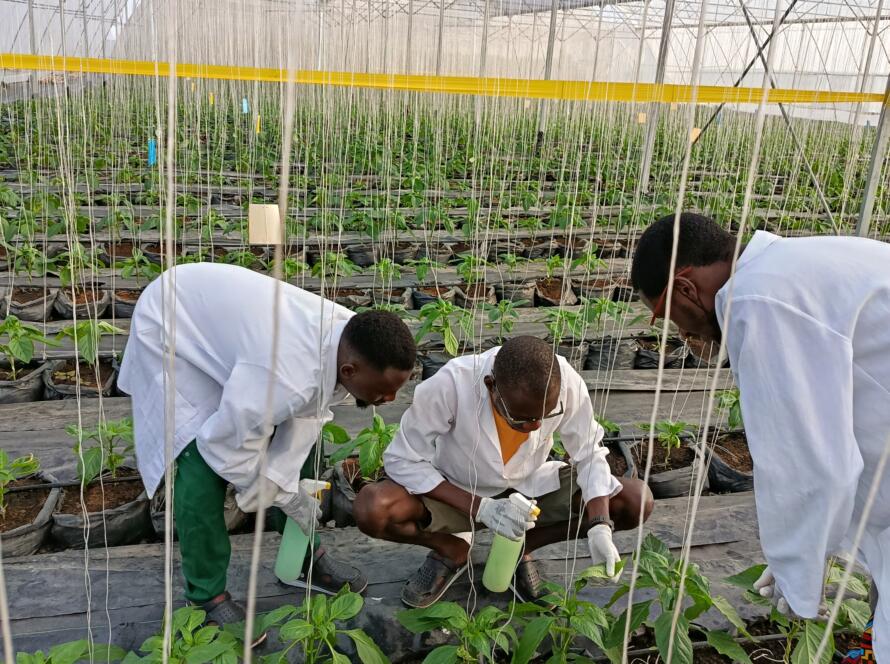
For generations, agriculture has been the backbone of human civilization, feeding communities, fueling economies, and providing the raw materials for countless industries. From planting the first seeds of bell peppers and habaneros to cultivating, harvesting, and distributing food, agriculture remains the foundation of humanity.
But in today’s interconnected global economy, agriculture alone is not enough. Modern food systems require a dynamic bridge that connects farmers, markets, consumers, and international trade. This is where agribusiness steps in, transforming traditional farming into a structured, profitable, and sustainable enterprise.
Understanding the Science of Agriculture
At its core, agriculture is both a science and an art, cultivating the soil, nurturing crops, and raising livestock to provide food and other essential products. It covers everything from cereals, fruits, and vegetables, including PSF Vegetables’ signature bell peppers and habaneros, to livestock rearing and aquaculture.
Over time, agriculture has shifted from subsistence farming to commercially driven, technology-enabled practices. Today’s farms rely on improved cultivars, advanced irrigation systems, and global supply chains to meet rising demand.


Agribusiness: The Engine of Agricultural Commerce
Agribusiness is the commercial heart of agriculture. It goes beyond planting and harvesting to include post-harvest operations such as processing, packaging, storage, logistics, and retail distribution. Agribusiness ensures that fresh farm produce doesn’t stop at the farm gate but reaches the right markets and consumers efficiently.
At PSF Vegetables, agribusiness allows us to deliver farm-fresh produce in Nigeria and beyond, ensuring that bell peppers, habaneros, and other vegetables retain their quality from harvest to table.
The Agribusiness Value Chain
Agribusiness activities can be divided into three key stages:
-
Upstream – Production and sale of farming inputs such as improved seeds, fertilizers, irrigation systems, and machinery. For PSF Vegetables, this means sourcing high-quality F1 hybrid seeds and using efficient irrigation for sustainable yields.
-
Midstream – Processing, packaging, and value addition. At PSF, we use evaporative cooling storage technology to extend shelf life and maintain freshness.
-
Downstream – Distribution, marketing, and retail. Through strong branding and partnerships, PSF Vegetables ensures that our produce reaches homes, restaurants, supermarkets, and food processors across Nigeria.
Agriculture provides the raw materials, while agribusiness transforms them into market-ready products. Neither can thrive without the other. Farmers need access to profitable markets, and agribusiness relies on a steady flow of farm produce. Together, they create a mutually beneficial system that drives economic growth.

Economic Impact of Agriculture + Agribusiness
-
Food Security – A reliable supply of fresh, safe, and nutritious food.
-
Job Creation – From farm assistants to logistics operators and retail staff, the value chain creates employment.
-
Farmer Incomes – Fair pricing and expanded markets improve farmer livelihoods.
-
Efficient Food Delivery – Agribusiness ensures produce moves quickly from farms to consumers
Challenges and Opportunities in the Sector
Challenges:
-
Climate change and unpredictable weather patterns.
-
Price fluctuations that affect farmer profitability.
-
Pests, diseases, and post-harvest losses.
Opportunities:
-
Agri-Technology – Drone mapping, precision farming, and smart irrigation.
-
Value Addition – Turning raw vegetables into sauces, dried spices, or packaged fresh produce.
-
Sustainable Practices – Organic farming, renewable energy use, and soil conservation.
In summary, Agriculture feeds the world, but agribusiness connects the farm to the consumer. Together, they are the twin engines of food security, economic progress, and sustainable development.
At PSF Vegetables, we are committed to this vital partnership. By producing high-quality bell peppers and habaneros with sustainable practices, we ensure that Nigerian agriculture continues to thrive while meeting the growing demand for fresh, nutritious vegetables locally and globally.
Want your vegetables to stay fresh naturally? Don’t miss our post on organic storage methods. Read it here