Glutathione is a small but powerful molecule made up of three amino acids: glutamate, cysteine, and glycine. In agriculture, particularly in sustainable farming systems, this antioxidant plays a vital role in the growth and survival of young plants.
For seedlings, the most vulnerable stage in a plant’s life, glutathione acts as both a shield and a growth regulator. It protects against stress, regulates energy, and supports healthy development, ensuring that farms such as PSF Vegetables and beyond can produce strong, healthy seedlings that later become thriving crops and fresh vegetables for healthy living.
Why Glutathione Matters in Young Seedlings
1. Protection Against Stress
Seedlings are susceptible to heat, drought, pathogens, and transplant shock. Glutathione acts as a natural antioxidant, neutralizing harmful molecules called reactive oxygen species (ROS) that would otherwise damage delicate tissues.
2. Boosting Immune Response
Early in life, seedlings face attacks from fungi, bacteria, and other pathogens. Glutathione (GSH) signals the activation of plant defense systems, triggering the expression of protective genes and promoting the production of natural antimicrobial compounds.
3. Supporting Seed Germination & Early Growth
Seed germination and seedling emergence depend on active cell division and elongation. Glutathione regulates plant hormones such as auxin and abscisic acid (ABA), ensuring balanced growth and strong root and shoot development.
4. Enhancing Nutrient Uptake & Metabolism
Glutathione is part of the sulfur cycle, helping seedlings build proteins and chlorophyll, which are essential for photosynthesis. It also binds toxic metals in the soil, preventing them from harming roots and slowing growth.

5. Guiding Growth & Development
Through redox signaling, glutathione ensures that cells know when to divide into leaves and roots. This fine-tuned process is critical for producing robust, uniform seedlings ready for transplanting on sustainable farms.
6. Detoxification of Toxins
From heavy metals to pesticide residues, young plants encounter environmental toxins. Glutathione binds and detoxifies these harmful substances, keeping metabolism smooth and growth uninterrupted.
7. Building Stress Tolerance
Whether facing drought, salinity, or transplant stress, glutathione helps seedlings adapt by regulating stress-response proteins and enzymes. It also works alongside vitamin C in the ascorbate–glutathione cycle, a major pathway for resilience.
Why Glutathione Levels Peak in the Morning
Researchers observe that glutathione levels are often higher in the early morning. This is linked to plant physiology and survival strategies:
- Night Recovery: Overnight respiration generates oxidative stress. By dawn, glutathione levels rise to detoxify accumulated ROS.
- Circadian Rhythm: The plant’s internal clock drives antioxidant production, preparing seedlings for daytime sunlight stress.
- Photosynthesis Preparation: As photosynthesis begins, plants generate more ROS. Glutathione acts as a buffer, protecting cells.
- Metabolic Reset: Active sulfur metabolism at night supports glutathione buildup, providing a ready defense system by morning.
What This Means for Agriculture and Healthy Living
The presence of glutathione in young seedlings, whether in nurseries or greenhouses, is a clear marker of plant health. Strong seedlings lead to stronger farms, higher yields, and a more reliable supply of fresh produce such as leafy greens, tomatoes, and peppers.
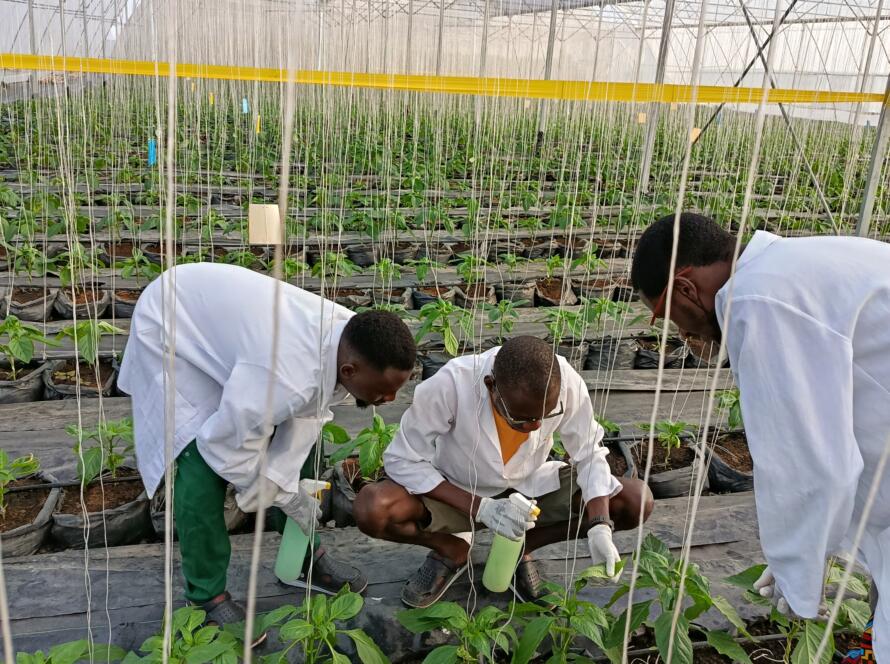
At PSF Vegetables, we harness this science to ensure a year-round supply of fresh vegetables like bell peppers, habanero peppers, and tomatoes, grown in our greenhouses in Abeokuta, Ogun State. By focusing on healthy seedlings and resilient plants, we not only support sustainable agriculture but also guarantee that households and businesses across Nigeria have consistent access to nutritious, farm-fresh produce.
For communities, this means healthier soils, thriving farms, and a steady flow of fresh vegetables that directly contribute to healthy living.