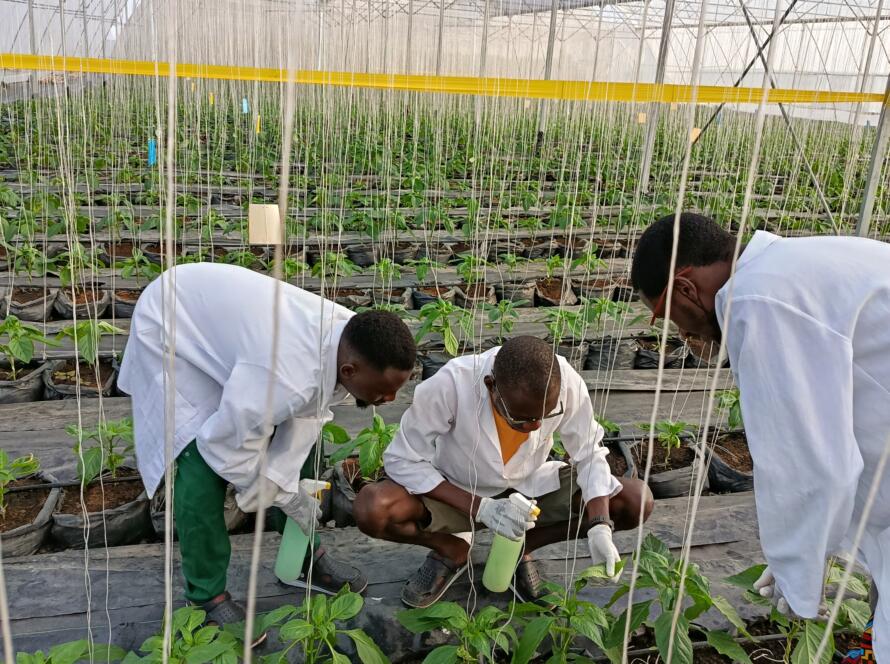
Healthy roots are the foundation of every thriving greenhouse crop. Whether you’re growing tomatoes, bell peppers, cucumbers, or leafy greens, a strong root system is essential for nutrient absorption, plant health, and high yields. While it’s easy to focus on the canopy, flowers, or fruits, it’s the underground network of roots that truly drives productivity and resilience in greenhouse farming.
The Importance of a Healthy Root System
Roots perform four critical functions that directly impact plant performance:
Anchoring – providing stability and support.
Absorbing – taking up water and nutrients.
Transporting – moving essential minerals throughout the plant.
Storing – preserving energy and nutrients for future growth.
A healthy root network allows greenhouse crops to withstand variable humidity, high temperatures, and nutrient fluctuations, common challenges in controlled environments.


How to Maintain Healthy Roots in Greenhouse Crops
- Balance Water and Oxygen Levels
In greenhouse production, maintaining the right air-to-water ratio in the substrate is crucial. Overwatering causes oxygen deficiency and root rot, while underwatering leads to stress and poor nutrient transport.
For crops like tomatoes and cucumbers, aim for 60–80% substrate moisture. Using drip irrigation systems with real-time moisture sensors ensures consistent hydration and prevents root stress.
2. Optimize Substrate Composition and Drainage
The type of growing medium determines how roots develop and access oxygen. Greenhouse vegetables perform best in rockwool, cocopeat, perlite, or well-draining loamy soils.
Regularly monitor drainage and electrical conductivity (EC) to avoid salt buildup that can damage root tips. Healthy drainage keeps roots oxygenated and prevents diseases like Pythium.

3. Maintain the Ideal Root Zone Temperature
The root-zone temperature (RZT) affects nutrient uptake and overall metabolism.
Ideal RZT for popular greenhouse crops:
Tomatoes: 20–24°C (68–75°F)
Bell Peppers: 21–26°C (70–79°F)
Cucumbers: 22–25°C (72–77°F)
In greenhouses with cold nights, use root-zone heating cables, mats, or mulching films to stabilize temperatures and promote steady root growth.
4. Ensure Balanced Nutrient Supply
Roots thrive on a balanced nutrient mix and stable pH levels. Key nutrients for strong root growth include phosphorus (P), calcium (Ca), magnesium (Mg), and iron (Fe).
Maintain pH between 5.8–6.5 and adjust EC levels based on the crop’s stage of growth. Avoid excess nitrogen, as it can burn delicate root hairs and reduce microbial activity in the root zone.


5. Introduce Beneficial Microbes: Nature’s Root Allies
The rhizosphere, or root zone, is home to beneficial microbes that support plant health.
Mycorrhizal fungi extend root reach and improve nutrient absorption.
Plant growth-promoting rhizobacteria (PGPR) enhance hormone balance and disease resistance.
Inoculating substrates with Trichoderma spp. and Bacillus subtilis promotes stronger root development and greater stress tolerance.
6. Practice Root Zone Hygiene and Monitoring
Maintaining root-zone hygiene prevents diseases and promotes consistent growth.
- Flush irrigation lines regularly.
- Sterilize trays and tools before reuse.
- Inspect roots frequently — healthy roots are white and firm.
Watch for early signs of root diseases like Fusarium or Pythium, which thrive in stagnant or overly warm conditions.


At PSF Vegetables, we believe that strong roots are the key to sustainable and high-yield greenhouse farming. Our approach combines precise irrigation management, temperature control, aeration, and microbial balance to create ideal conditions for root growth.
By nurturing healthy roots, we ensure healthier plants, higher productivity, and more consistent harvests, the cornerstone of modern greenhouse cultivation.