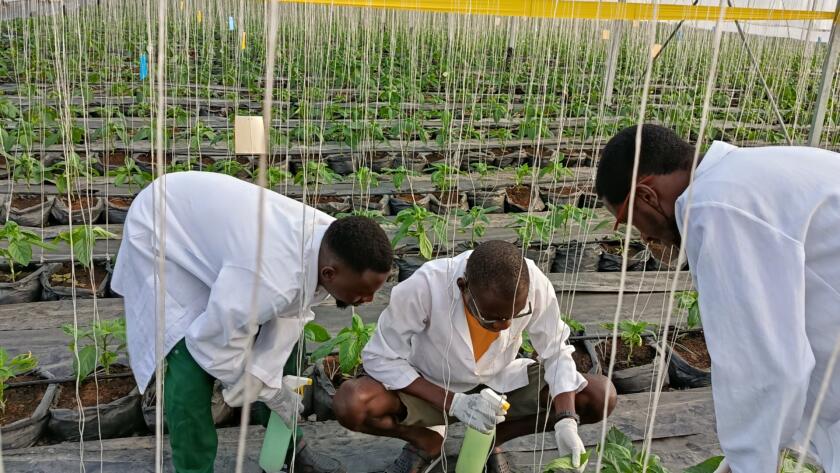
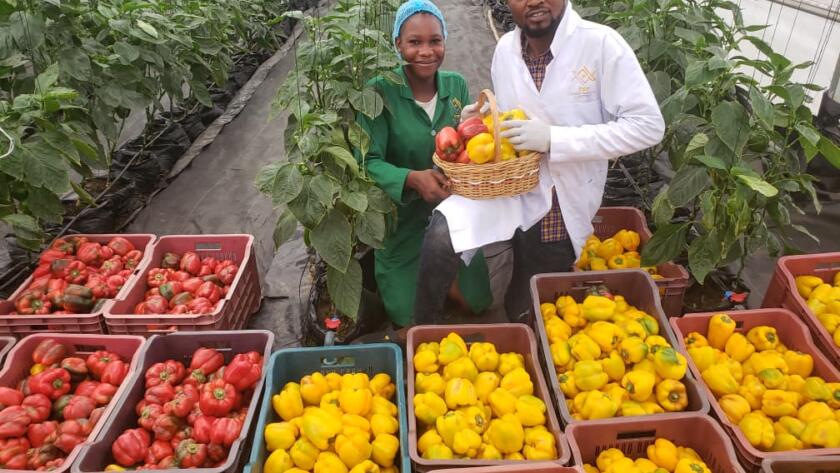
Climate change is no longer a distant concern; it is one of the most urgent challenges affecting agriculture and food production today. Across Southwest Nigeria, farmers are already experiencing its impact, especially in greenhouse farming systems that are typically designed for controlled environments.
Climate change refers to long-term shifts in temperature and weather patterns, largely…
Thrips are among the most destructive pests in bell pepper (Capsicum) production. For both smallholder farmers and commercial growers, unmanaged thrips infestations can lead to reduced yields, poor fruit quality, virus outbreaks, and significant revenue loss.
In this guide, we explain how thrips damage bell peppers, their impact on crop health and profitability, and the…
Sunscald on peppers is one of the most common heat-related problems pepper growers face, especially in warm and tropical climates. When fruits are exposed to intense sunlight without adequate foliage cover, their outer skin becomes scorched, resulting in pale, sunken, or papery patches. These bleached spots may later turn brown, weakening the fruit and reducing…
Healthy roots are the foundation of every thriving greenhouse crop. Whether you’re growing tomatoes, bell peppers, cucumbers, or leafy greens, a strong root system is essential for nutrient absorption, plant health, and high yields. While it’s easy to focus on the canopy, flowers, or fruits, it’s the underground network of roots that truly drives productivity…